

AI makes cybercrime faster, cheaper & harder to spot
Thu, 25th Jun 2026
ReliaQuest has published its 2026 annual report on AI-powered cybercrime, concluding that threat actors are using AI throughout established attack workflows.
The report argues that AI is not yet creating entirely new forms of cyberattack. Instead, it is making familiar tactics faster to execute, cheaper to run and harder to detect. It identifies phishing, malicious tooling, identity fraud, social engineering and early post-compromise activity as the main areas where the technology is now being used.
One of the clearest shifts, according to the findings, is scale. ReliaQuest observed AI-assisted campaigns generating phishing infrastructure in parallel, including clusters of 30 to 40 device-code phishing domains created at the same time.
It also cited an example in which AI-assisted web shells were deployed in 60 seconds, presenting this as evidence that automation is reducing the time attackers need to move from preparation to execution.
Attack workflow
AI is being applied across multiple stages of an intrusion, from drafting more convincing phishing pages and improving the fluency of social-engineering content to building web shells and harvesting credentials.
The report also describes a growing market for AI-related criminal tools on dark web forums. Listings include deepfake face-swap tools and software intended to support attacks from start to finish.
Another theme is the use of AI itself as bait. Attackers are exploiting demand for AI products and trust in well-known AI brands to persuade users to install malicious browser extensions, run harmful commands or follow fake setup steps that appear routine.
This pattern appeared across several types of activity, including social engineering linked to ShinyHunters, malware delivery associated with ClickFix techniques and fraud involving North Korean IT workers. While the goals differed between cases, spanning extortion, initial access, fraud and support for espionage, the report says AI repeatedly helped operators do more work with less effort.
Model choice
Threat actors continue to run into restrictions on mainstream AI models. The report notes repeated complaints on criminal forums about safeguards built into models such as Claude, Grok and ChatGPT.
Those safeguards appear to be shaping attacker behaviour. While jailbreak prompts still circulate, the report says the restrictions reduce consistency and interrupt workflows, making some commercial models less attractive to cybercriminals.
One forum post cited in the report said GPT models were "unusable for a long time now." Another post, discussing the latest models, said: "even the smartest model will be useless for our purposes if you can't bypass its restrictions."
As a result, preferences are shifting towards open-weight models including Qwen, Dolphin and Mistral. The report says these systems may not match the strongest frontier models at the top end, but criminals view them as more predictable and easier to run locally without relying on a cloud provider to maintain a session.
That local control matters because it can make sessions harder to interrupt midway through a task. Forum users, according to the report, describe a trade-off in which lower-tier models are accepted because they are seen as more stable for offensive or quasi-offensive work.
Defensive view
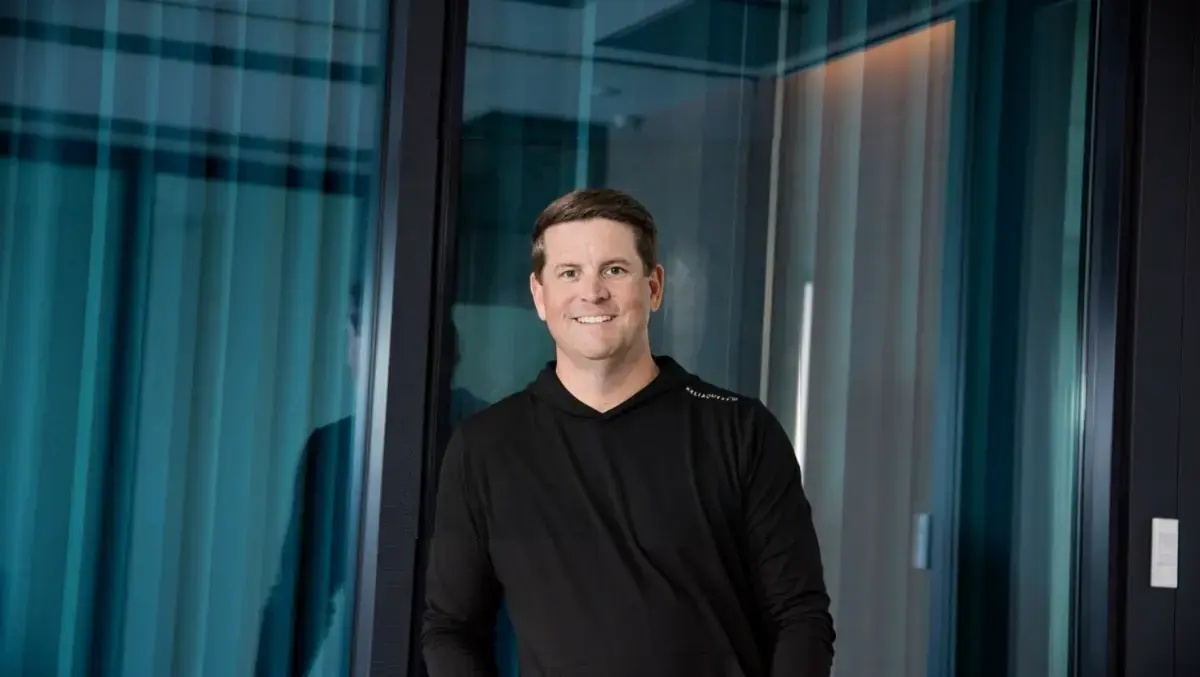
Brian Murphy, Founder and Chief Executive Officer of ReliaQuest, commented on the findings.
"AI has changed the game of cybersecurity, making it cheaper, faster and easier than ever for threat actors to do real damage to large organizations," Murphy said.
He argued that defenders also have an opportunity to apply the technology in response.
"But the defensive side has an AI advantage too. Agentic defense is the new frontier for security operations, allowing us to move within seconds to detect and contain cyber threats. The organizations winning this fight are those leaned in and taking full advantage of these powerful tools," Murphy said.
The report's broader conclusion is that AI is becoming embedded in cybercrime as a practical way to improve speed, volume and plausibility, rather than as a source of novel attack methods. Its examples suggest the immediate risk for companies lies not in science-fiction scenarios, but in existing techniques becoming easier to launch at greater scale.