

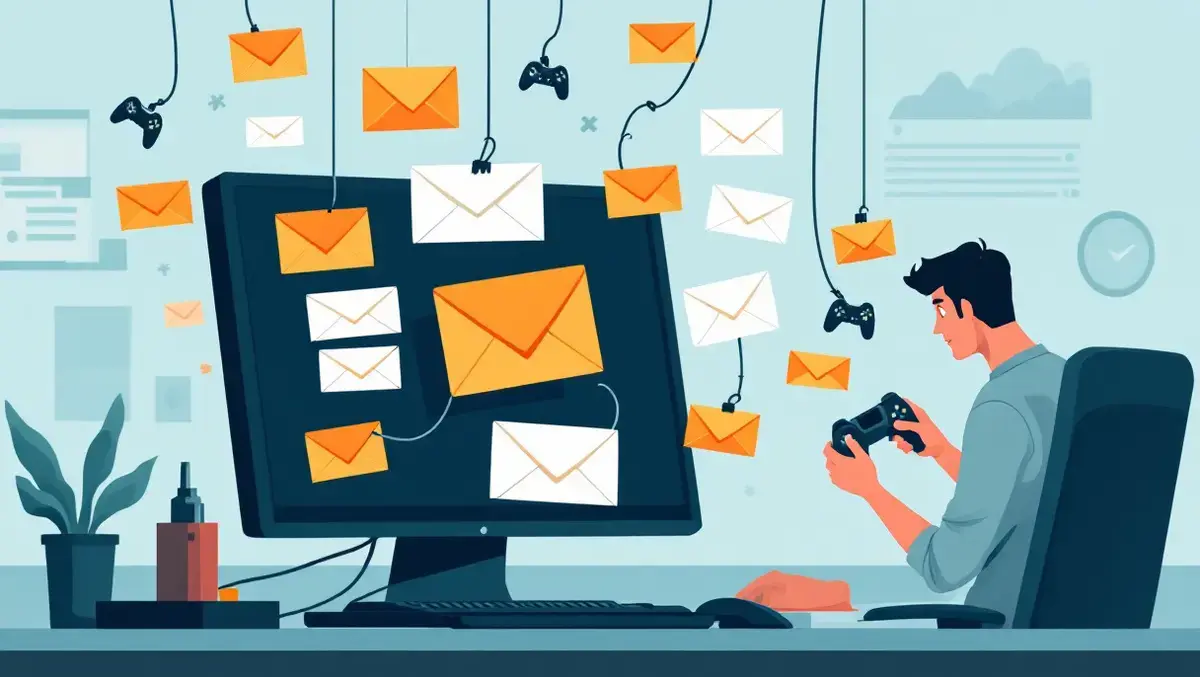

Cybercriminals are using Grand Theft Auto 6-themed emails to drive a sharp rise in gaming phishing attacks, according to KnowBe4. Its Threat Lab recorded a 1,300% increase in gaming-related phishing compared with the monthly average from March to August.
The spike coincided with growing interest in the game before its release. GTA-related lures accounted for 9.6% of all phishing emails in the week of 26 October, rising to 42.4% over the 31 October to 1 November weekend.
Researchers identified a two-wave pattern. The first involved high volumes of consumer-focused emails designed to create background noise for security teams. The second targeted workplace accounts with messages posing as employee benefit offers.
In the corporate strand, attackers sent fake HR-style emails offering a "free Grand Theft Auto 6 Pre-Order" to the first 250 employees. The messages created urgency by claiming the offer would expire within 48 hours. KnowBe4 found that 83.2% of this attack volume arrived on weekends, when staff may still check work inboxes for personal offers.
Consumer campaigns often used blank email bodies containing only a single embedded link. Recipients who clicked were taken to anonymous landing pages styled around the game, then redirected to fraudulent online casino or cryptocurrency sites, where attackers sought payment card details, reused passwords and crypto deposits.
Technical methods
The workplace attacks were designed to pass common email checks. Rather than spoofing well-known brands directly, attackers registered look-alike domains that could pass SPF, DKIM and DMARC authentication.
The emails also used QR codes built from Unicode text characters or HTML tables. Researchers said this can evade image-based scanners, while prompting users to scan the code with a personal phone moves the interaction away from the corporate network and its endpoint protections.
The findings point to a broader pattern in phishing campaigns tied to major calendar moments. KnowBe4 cited earlier research showing that planned events tend to attract some of the highest levels of lure-based attacks, with campaigns typically appearing about three weeks before the event.
Although the latest examples were tied to a video game launch, the methods were not limited to one audience. Commodity campaigns averaged 84 attacks each and were concentrated mainly in the United States and the United Kingdom, with education, technology and finance among the most targeted sectors.
Singapore provides a local backdrop to the warning. Scam and cybercrime losses in the country reached S$410.6 million in the first half of 2026, according to police figures cited in the findings, with phishing remaining one of the more common forms of scam activity.
KnowBe4 urged employers to train staff to recognise non-traditional lures, including fake HR perks and vendor discounts sent outside normal working hours. It also recommended making clear that legitimate employee benefits should be accessed through internal HR channels or company intranets, rather than through unsolicited links or urgent QR code requests.
Security teams should also adapt email defences to detect QR codes rendered as text characters or HTML tables. Employees should treat any work email that asks them to use a personal smartphone as a warning sign that the sender may be trying to move them outside the company's security perimeter.