

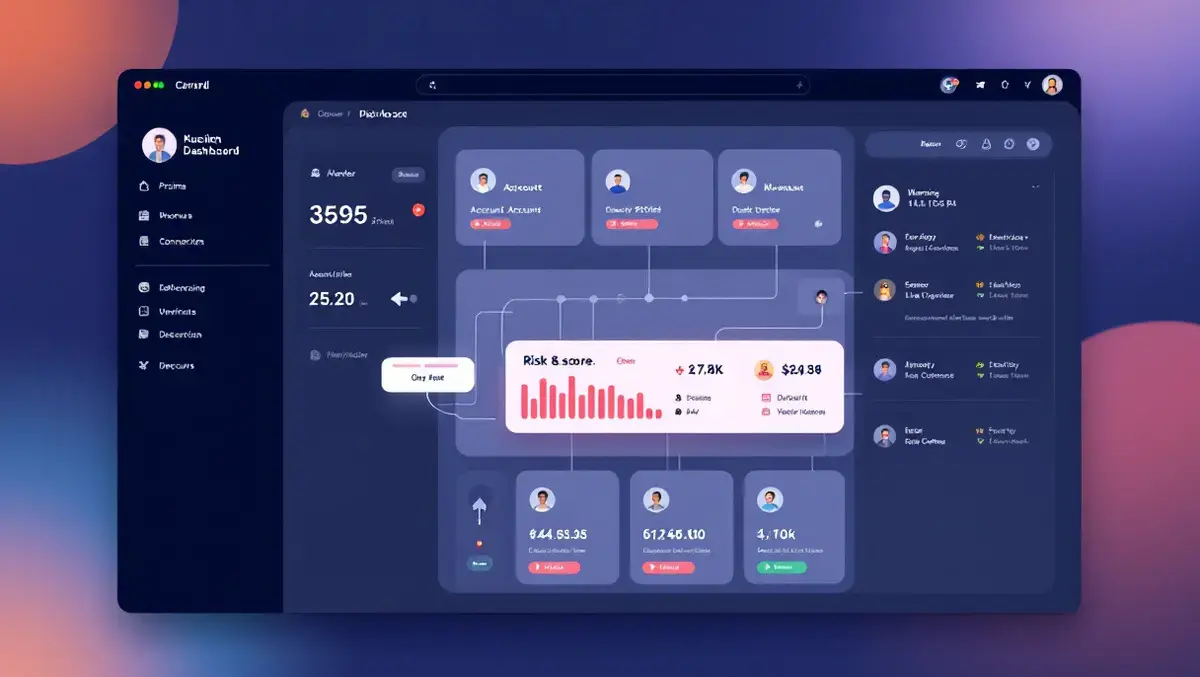
Shufti launches Fraud Hub to flag linked account abuse
Fri, 27th Nov 2026 (Today)
Shufti has launched Fraud Hub, a product that combines several fraud checks into a single risk score.
The launch adds a connected fraud intelligence layer to the company's identity verification and anti-money laundering offering. The system is designed to detect suspicious verification attempts, identify linked activity across accounts and track risks throughout the user lifecycle.
Fraud Hub brings together four areas of analysis: capture integrity, device and network intelligence, document forensics and biometrics. The aim is to give businesses a broader view of whether an apparently valid account is linked to wider suspicious activity.
This addresses a common weakness in fraud prevention systems, which often assess accounts individually at onboarding. A user may pass an identity check, but that does not show whether the same person is operating multiple accounts, reusing forged documents or returning through connected devices and payment details.
The new hub examines links across a company's wider user base rather than limiting assessment to a single verification event. It analyses shared devices, payment details and behavioural similarities to identify clusters of accounts that may indicate co-ordinated fraud or repeat attempts by previously blocked users.
The system assigns a real-time risk score based on the combined signals. This can help fraud and risk teams decide whether to approve an account, carry out further checks or open an investigation.
Cluster analysis
Shufti pointed to its own data on fraud patterns to explain the focus on linked behaviour. According to Shufti's Identity Fraud Report 2026, based on activity across 11 industries in the first half of the year, 98.78% of linked fraud clusters involved between two and 10 identities.
The same report found that 65.68% of matches between separate fraudulent verification attempts involved reused forged identity documents. This suggests many cases are not isolated incidents, but part of repeat or networked activity.
Fraud Hub is intended to detect signs including manipulated camera feeds, suspicious devices, forged or altered documents and biometric attacks. These findings are then used to build a unified picture of risk during identity verification and at later points in the customer relationship.
Monitoring continues after onboarding. Changes in account behaviour, new links to suspicious profiles or signs of repeated abuse can trigger further assessment, particularly at points such as account reactivation or withdrawals.
Sector use
Shufti highlighted iGaming and FinTech as sectors where multi-account fraud can be difficult to detect through single-account reviews. In iGaming, fraudsters may open several player accounts under different identities to claim welcome bonuses, referral rewards or other promotional incentives.
Each account may appear legitimate in isolation, but shared devices, payment methods or patterns of use can indicate co-ordinated bonus abuse. Shufti said its clustering and relationship analysis are intended to help operators identify those links earlier.
In FinTech, similar patterns can emerge when fraudsters open multiple accounts using unrelated identities and devices, or try to return after an earlier account has been blocked. Connections through IP addresses, shared hardware or repeated behaviour may indicate attempts to bypass controls.
For investigators, the benefit is the ability to review connected alerts in context rather than as separate cases. That can help teams identify whether an alert is part of a wider network and decide which cases pose the greatest threat.
The product also fits into Shufti's broader model of onboarding, monitoring and additional checks throughout the user lifecycle. Existing customers can activate the fraud intelligence layer within their current verification setup without adding new software development kits, separate API calls or changes to the user-facing verification flow, according to the company.
Shufti operates in identity verification, anti-money laundering and fraud prevention. It supports identity checks across more than 240 countries and territories and works with more than 2,000 businesses.
"Fraudsters don't operate one account at a time, but fraud prevention systems often assess them that way. An account can pass every identity check and still become part of a coordinated fraud operation. Shufti Fraud Hub addresses this gap by connecting the signals and relationships surrounding each user, giving businesses the context to recognise emerging threats and make better risk decisions," said Raja Hassan Fayyaz, Vice President of Product, Shufti.