

Sumsub unveils AI tool tying agents to human users
Fri, 30th Jan 2026
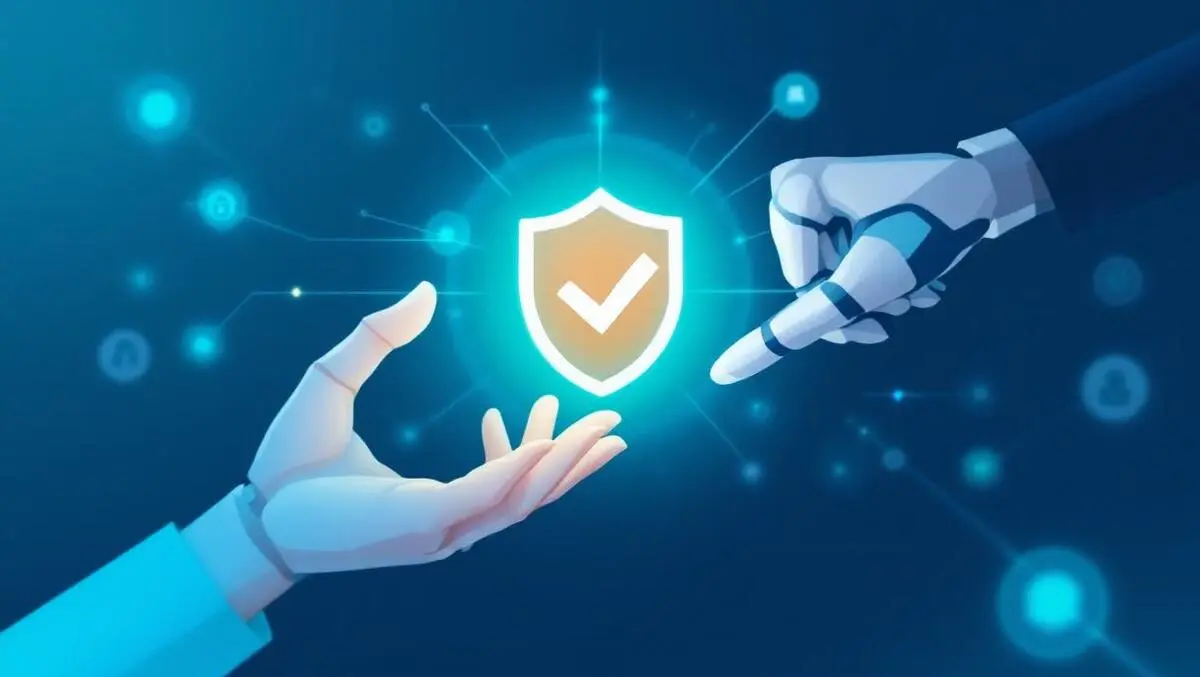
Sumsub has launched an AI Agent Verification product that links automated activity to a verified human identity, as companies face rising fraud that uses AI agents and browser automation.
The company said the product sits within its Know Your Agent framework. It aims to distinguish legitimate automation that a verified individual authorises from malicious agent-driven activity.
Businesses across sectors have increased the use of automation for tasks such as account creation and transactions. At the same time, fraud groups have adopted tools that can mimic user behaviour and run workflows at scale. Sumsub said many platforms respond by treating automation as suspicious and blocking it by default.
Sumsub said its approach treats automated activity as a risk signal rather than an automatic reason to deny access. The system first identifies whether activity is automated. It then assesses risk and only applies additional checks in cases that appear higher risk.
How it works
Sumsub said the product begins with detection of automated behaviour. It then applies a risk evaluation step. The company said it can add a targeted liveness check in higher-risk scenarios to confirm a real human is present and authorised to act.
Sumsub said this process links the actions of an AI agent back to an identified individual. It said the method establishes accountability for automated actions and reduces reliance on blocking automation by default.
"AI agents are rapidly becoming the backbone of digital operations, yet most of today's systems still treat them as opaque, unaccountable black boxes," said Vyacheslav Zholudev, Co-founder and CTO, Sumsub. "With AI Agent Verification, Sumsub is the first to bind AI agents to verified human identities at scale. Rather than attempting to blindly trust AI agents themselves, our solution focuses on verifying the humans behind them."
Product components
Sumsub said AI Agent Verification builds on elements of its broader verification and fraud prevention platform. It cited device intelligence and bot detection as one component. The company said it uses this to determine whether activity is automated and to assess risk in real time.
It also highlighted mule network prevention. Sumsub said this analyses device behaviour and network-level signals beyond basic IP tracking. The company said it looks for suspicious patterns across devices, accounts, and sessions that indicate coordinated mule activity.
Another element is liveness verification. Sumsub said it uses liveness checks at key points such as onboarding, account control changes, or high-value payouts. It said these checks confirm a real human is present and authorising the agent's actions.
Sumsub also referenced risk scoring and monitoring. It said the system continuously evaluates behavioural and contextual signals across the customer lifecycle. It said this allows businesses to permit, limit, or challenge automation based on the level of risk.
Fraud pressure
Sumsub pointed to a rise in coordinated attacks that blend multiple steps and tactics. The company said its Identity Fraud Report 2025-2026 recorded a 180% year-on-year increase in multi-step, coordinated attacks globally in 2025.
The company said AI fraud agents have become a new method for evasion as identity fraud methods become more sophisticated. It also said AI agents and browser-based agents have become more common in use cases such as mass payouts and automated transactions in fintech, payments, eCommerce, and ticketing.
Sumsub said this combination makes automation difficult to avoid in digital services. It framed the issue as a question of attribution and oversight rather than automation alone.
"Today, automation itself isn't the problem - anonymity is. When AI agents can autonomously move money, create accounts, or transact at scale without a real person behind them, fraud can almost become impossible to mitigate," said Artem Popov, Head of Fraud Prevention, Sumsub. "AI Agent Verification changes that dynamic by requiring human accountability at the moments where automation becomes dangerous. Businesses must be assured that If an agent takes action, there is always a real, verified individual responsible for it."
Sumsub said it expects more businesses to adopt risk-based controls for automation as AI agents become more common in consumer and enterprise workflows.