Career Pathways stories
Schools and employers may get clearer links between study and jobs as the pilot tools roll out, with wider release planned for 2027.
The report says threat intelligence teams could benefit from wider hiring pools as women bring skills from fields from marketing to the military.
AI is pushing women in small businesses into technology leadership roles, as Thryv says customer and operations experience now counts more.
The move puts workforce planning at the centre of OpenSky's expansion as it seeks faster delivery and tighter AI skills alignment.
Channel jobseekers face a median five years' experience requirement, with only 41 of 362 live adverts open to candidates with two years or less.
The initiative will give 500 students in Australia and New Zealand mentoring, pitching practice and exposure to tech careers over the next year.
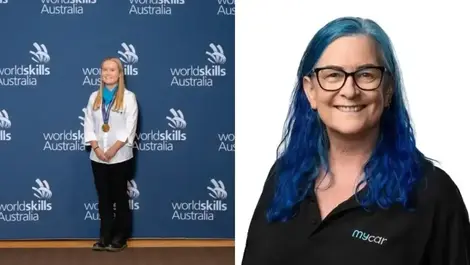
Australia's car-repair skills gap may get fresh attention as a 21-year-old apprentice heads to WorldSkills Shanghai 2026 after winning gold.
It comes as Talent backs a wider push to fill Australia's technology skills gap, with more than 1.3 million workers needed by 2030.
The appointment is set to broaden Nikon's mentoring push, with a seasoned Getty Images sports photographer guiding younger talent in Australia.
Employers' AI investment is outpacing retraining, prompting Lumify to expand its leadership as it targets the workforce skills gap.
With women still only 17% of cyber workers in the UK and Australia, executives warn AI could deepen security blind spots unless talent widens.
With women at just 17% of Australia's cyber workforce, leaders warn AI could widen shortages unless firms widen recruitment.
Women's skills in AI and machine learning are helping expose a cyber workforce gap, as firms race to bolster defences against smarter attacks.
Diverse leadership is becoming a business necessity as cyber firms face a global talent shortage, rising AI threats and sharper risk decisions.
A university student will get a year of AI training and mentoring as AWS and Duck Labs seek to widen access to industry experience in Australia.
The extra cash will widen internet access, digital skills training and job pathways for underserved communities across Equinix's global footprint.
Westpac says the platform has cut leaders' admin by about two hours a week and improved trust in workforce data, freeing time for customer work.
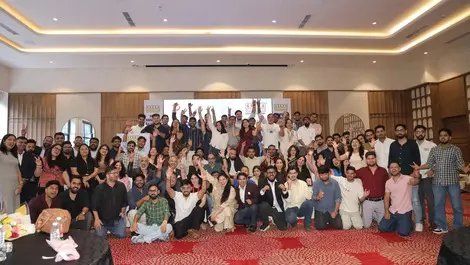
More than 100 former students gathered in Gurugram as Arena Animation opened its 14th alumni chapter amid a crowded creative training market.
The ranking may bolster TCL's efforts to attract talent as investors and staff increasingly scrutinise pay, growth and ESG reporting.
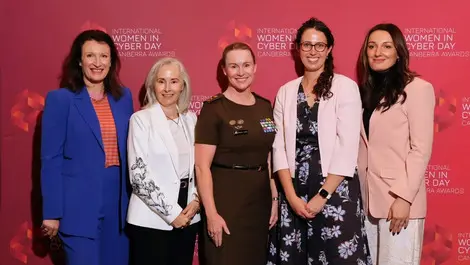
Skills shortages in Canberra's cyber sector are being tackled through awards for women, mentors and employers boosting inclusion.