Critical Infrastructure stories
Early reporting under the EU Cyber Resilience Act will be harder for manufacturers without connected data and continuous monitoring across plants.
Open, interoperable access systems may spare Australian data centres costly upgrades as AI-driven demand and security needs evolve over decades.
Strong demand for memory-safe chips has helped SCI Semiconductor secure GBP £5 million, with plans to add 15 jobs and scale output.
The award underlines Gallagher Security's 15% annual R&D spend and growing US push, as customers gain simpler upgrades and support.
Neglecting fouled heat exchangers could cost data centres more than EUR 12,000 in two months, alongside 175 tonnes of CO2, the report says.
Businesses are prioritising hybrid, open security systems to protect existing hardware investments while adopting cloud and AI tools more gradually.
Buyers of connected security kit face tougher supplier checks as the EU Cyber Resilience Act pushes lifecycle support and disclosure higher on the agenda.
Ports and ship operators face rising regulatory pressure as the new service offers round-the-clock monitoring for critical operational technology.
Rising data demand is driving emissions higher in parts of Asia Pacific, as mobile operators struggle to secure cleaner electricity.
Funding will help expand quantum-safe cybersecurity deployments as India races to build domestic defences against future quantum threats.
More than 350 Cleanaway sites will gain steadier communications as the waste group replaces legacy infrastructure, with 25 locations already live.
If fully built, the project could be Saskatchewan's biggest capital investment, creating thousands of jobs and bolstering data sovereignty.
Ottawa is deepening defence ties with Kyiv through new drone, energy and reconstruction funding as President Volodymyr Zelenskyy visits Canada.
Partners will gain access to secure remote connectivity tools as the deal targets outages and poor coverage across the Pacific region.
Schools and payroll users face heightened phishing and identity-theft risks after breaches exposed sensitive data at multiple firms.
Fewer blind spots and false alarms are pushing operators to add radar to layered security at mines, ports and utilities.
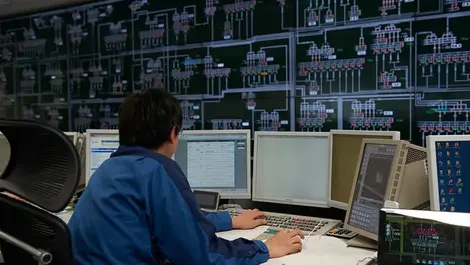
Regional teams can now monitor incidents more quickly as TEPCO Power Grid unifies video from 30,000 cameras across 1,600 sites.
Proposed fines of up to $5 million pushes more New Zealand firms to consider cyber cover as regulatory certainty emerges.
AI tools will cut incident triage from hours to seconds for Littlefish clients, helping analysts prioritise real threats as alert volumes rise.
Software tools are helping engineers save time as Australia braces for a shortfall of about 150,000 staff over the next decade.