Identity Theft stories
A recent government breach has exposed a wider gap in cyber awareness, with stolen personal data sold online for as little as GBP £5.
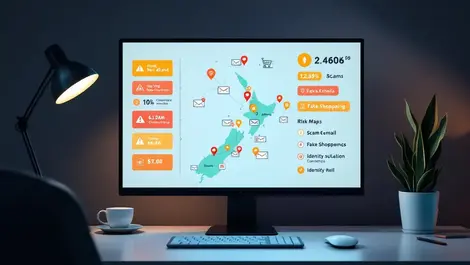
Consumers can now track scams, identity risks and cyber threats by country through a new global index that monitors daily changes across 245 countries and territories.
AI-driven phishing is heightening risks for Japanese organisations as Doppel expands locally and bolsters its response with a seasoned cybersecurity executive.
Fintech lenders and banks face rising losses as AI-generated statements and identity files slip into automated onboarding before manual checks.
Phishing-resistant logins could curb account takeovers that let criminals tamper with tax data, refunds and audit trails across firms.
Nearly 25 per cent of newly observed domains were high-risk, underscoring how AI and rented infrastructure are making attacks harder to detect.
Automated requests now make up most web traffic, raising costs for sites and sharpening fears over AI-driven fraud and phishing.
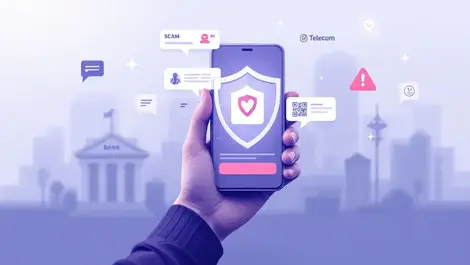
Rising smartphone fraud is pushing banks, insurers and telecoms to add scam protection without building it in-house.
Windows users face session theft risk as MedusaHVNC lets attackers operate in hidden browser desktops using existing cookies and log-ins.
Earlier checks on contact details could curb fake reservations, cut chargebacks and free hotel staff before rooms are wrongly blocked.
Demand is rising for outside-in cyber monitoring as firms seek earlier warning of impersonation, leaks and fraud before systems are breached.
Healthcare providers can cut fraud and account takeover risks on MyChart, while keeping patient sign-ups and recovery simple.
Corporate travellers at hotels and conference centres were quietly sent to fake Microsoft 365 pages after attackers took over guest Wi-Fi gateways.
Australian consumers face a higher risk of tailored scams, as stolen contact details can be used to mimic trusted brands after the Origin breach.
Rising online fraud and a 2027 digital assets regime are pushing banks and fintechs to upgrade infrastructure as adoption accelerates.
Australians lost GBP £1.1 billion to scams last year, underscoring how banks now must protect customers' identities as well as their systems.
Small firms may miss basic cyber gaps as a free self-check from MY CYBER GUARD flags weak passwords, patching and backup risks.
The ranking reinforces Incode's pitch to banks and platforms seeking faster checks as deepfakes and synthetic identities raise fraud risk.
Customers face heightened scam risks as Origin Energy investigates claims that a hacker accessed two million records and alerted regulators.
Digital fatigue and scam fears are helping keep posted letters credible, with 78% wanting important government messages by mail.