Labour Shortage stories
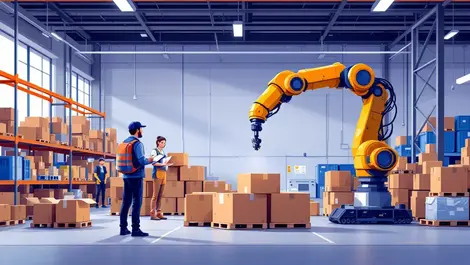
As companies seek to thrive in disruptive times, many are turning to robotics for their labour-strapped warehouses and distribution centres.
Pegasystems delivers new intelligent, low-code capabilities for AI-powered decisioning and workflow automation.
Remote work is here to stay, but it must evolve and be managed effectively. Here are three crucial tech investments for a successful hybrid work environment.
Payapps has found increased adoption of digital technology is unlocking industry payment blocks, despite COVID-19 continuing to disrupt the supply chain.
Launched in 2015, the CFO Indicator Survey provides insights into the challenges, opportunities and priorities for CFOs worldwide.
Semiconductor shortages and tight supply are expected to continue in 2022, impacting the global economy, according to analysts at IDC.
MSPs are facing challenges from the pandemic and digital transformation, with pressure to deliver despite outages and cyber attacks, says LogicMonitor.
Ivanti Wavelink announces Ivanti Neurons for IIoT, offering scalable applications to automate and optimise supply chain operations.
Only 55% of employees say skills development is a priority, widening a gap that could hurt performance and growth in the years ahead.
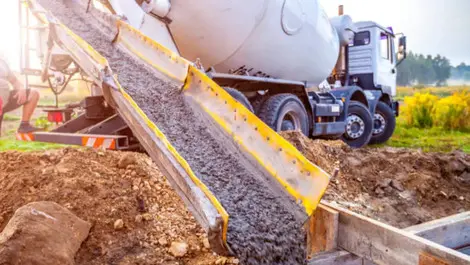
Delaying action on the 30-year blueprint risks worsening New Zealand's 118,500-worker shortfall and $210 billion infrastructure gap.
The majority of global office workers are feeling increased pressure due to colleagues resigning, with 60% considering resigning themselves.
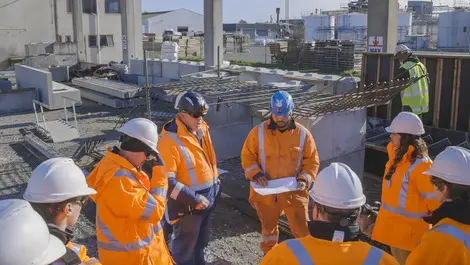
New Zealand risks missing its infrastructure build-out unless it creates clearer entry points and training for civil construction workers.
According to new research from Prospa, 40% of Kiwi small businesses use personal savings to support operations.
Employers warn the reforms could raise costs and trigger conflict, as a new income insurance scheme and fair pay laws go out for comment.
Businesses are turning to automation as record-low unemployment and isolation risks worsen staff shortages and wage pressures across New Zealand.
Supply-chain pressures are rising as New Zealand urges lorry drivers back to work amid Omicron-related staff shortages.
New Zealand’s office, retail and industrial markets are expected to mirror Australia as Omicron peaks and border openings reshape demand.
Women hold just 12% of New Zealand trade jobs, as Competenz warns employers must do more to ease shortages and bias.
Most construction firms cannot see third-party risks clearly, leaving projects exposed to delays, cost blowouts and compliance failures.
Labour shortages and supply bottlenecks are pushing New Zealand construction inflation to one of the OECD’s highest levels.