Malvertising stories
AI-powered deepfakes and targeted malware ads are fuelling a new wave of scams, leaving UK small firms dangerously exposed online.
AI-powered cybercrime has surged in the UK, with new scams causing losses of nearly GBP £100 million amid deepfake and phishing attacks.
Fake Claude AI search ads are spreading info-stealing malware, hijacking developer credentials and cloud access via spoofed download sites.
Bitdefender exposes 26,000 Meta ads in 25 countries pushing fake investment schemes, impersonating banks, media and public figures.
HP reports a surge in AI-powered “flat-pack” cyberattacks as criminals trade sophistication for speed, low cost and mass customisation.
Hijacked Google Ads accounts are serving bogus installers that trick Mac users into running MacSync stealer via fake Evernote guides.
Fake Olympics shop ads on Meta push fans to cloned sites mimicking Milano Cortina 2026 store to steal card and personal details.
BADIIS malware is hijacking over 1,800 IIS servers worldwide, quietly boosting illicit gambling and crypto phishing sites via poisoned SEO.
Cloaking dominates PropellerAds' 2025 safety report as stricter checks drive a 35% rise in blocked campaigns and more account suspensions.
NordVPN will use CrowdStrike threat intelligence to power its Threat Protection Pro tool, bringing enterprise-grade data to consumer security.
Hackers are hijacking ageing home routers worldwide, covertly rewiring DNS to quietly cash in on everyday web browsing traffic.
DoubleVerify flags surge in “zombie” Android app fraud as hijacked dormant accounts push bogus games that drain ad budgets and devices.
Online shopping scams in the UK jumped 416% in late 2025 as malvertising, social media fake shops and deepfake frauds surged, Gen warns.
ReliaQuest warns BaoLoader and trust-based lures are surging, as attackers ditch zero-days for social engineering and valid certificates.
Once harmless web clutter, parked domains now funnel over 90% of visitors to scams, malware and illegal content, Infoblox researchers warn.
Infostealer malware exploits employee mistakes to steal sensitive data, posing a severe threat to businesses and client security worldwide.
A Facebook malvertising campaign is targeting Android users in the EU with Brokewell malware disguised as a fake TradingView app to steal crypto assets.
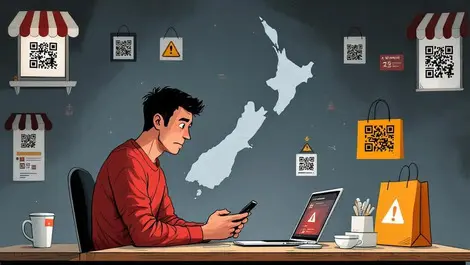
New Zealand faces a 271% jump in fake shop scams as criminals exploit routine clicks, QR scans and DIY guides to trick online shoppers.
AI-fuelled cybercrime will outpace human intuition by 2026, as deepfakes, emotional scams and synthetic identities erode online trust.
Young Australians are most at risk as holiday online shopping scams surge, with Gen Z and Millennials more likely to engage in risky cyber behaviours this season.