Personal data stories
A growing share of shoppers are using AI to compare prices, though few are willing to let it make purchases for them.
A gap in training may be leaving firms exposed, as 55% of workers surveyed did not think their own online activity could spark a breach.
The redesign aims to keep users engaged after setup, letting them correct their digital twin's responses and earn rewards for paid research.
A new survey suggests shoppers are increasingly willing to trade personal data for discounts, pushing loyalty programmes to the centre of retail strategy.
Routine handling mistakes are driving UK data exposure, with wrong-recipient emails and late reporting making up much of the rise since 2020.
Investigators may now be able to flag extremist files on suspect devices faster, as the Edinburgh-based firm's tool scans against 3.3 million files.
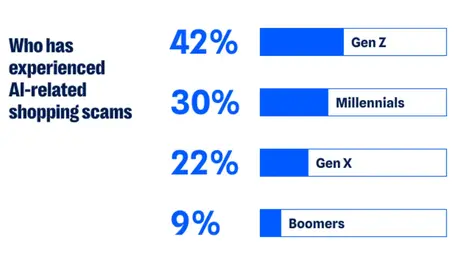
Holiday shoppers are increasingly exposed to harder-to-spot fraud, with 28% of consumers saying they have fallen for an AI-related scam in the past year.
The tie-up offers executives and families one service to remove exposed data and secure personal devices as physical threats increasingly start online.
The free app checks links, messages and images to help consumers spot scams before they click, buy or share on mobile.
Claims are now spreading beyond the US as attackers favour data theft and extortion, with New Zealand firms increasingly in their sights.
As AI note-taking spreads, employers risk exposing confidential talks unless they set clear rules on consent, access, storage and deletion.
The tool is designed to save auditors three to four hours per engagement by spotting missing items and inconsistencies in workpapers and statements.
Businesses risk costly GDPR breaches because paper files can escape digital controls, go missing for months and be harder to trace.
The deployment gives regulated firms in France a locally controlled option for finance software amid tighter scrutiny of data sovereignty and cloud compliance.
Agentic AI can already handle bookings, bills and reminders for users, but its growing access to personal data raises fresh hacking and privacy fears.
Hundreds of attempted uploads were stopped after the network installed endpoint controls to keep patient records out of public AI tools.
More than 80,000 terminals will soon let merchants verify age at the till with New Zealand's Kiwi Access digital credential, cutting document checks.
Yet privacy concerns remain a major hurdle, with seven in 10 New Zealanders saying they have already had a problem linked to digital identity.
US adults are using AI agents weekly, but half fear letting them spend on a credit card as trust falters over fraud and data sharing.
The registration gives the Singapore-headquartered adtech firm a clearer route into Europe's privacy-sensitive programmatic market under GDPR rules.