Snap stories
Advertisers paid more for Black Friday inventory, but stronger conversion performance still lifted returns as order costs fell 18%.
Advertisers can now screen out low-value synthetic media before bidding, as Channel Factory says 21% of social feeds is AI slop.
Planned restrictions could strip £1.3 billion from UK digital ad spend in 2027 as brands lose easy access to under-16s online.
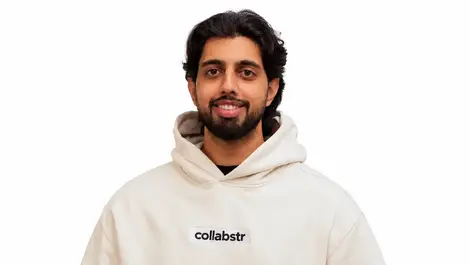
Brands can now run Snapchat campaigns through Collabstr's self-serve marketplace, giving access to more than a quarter of its creator base.
All nine campaigns produced a rise in footfall, with shoppers typically visiting stores within two days of seeing the ads.
The deal lets retailers target younger shoppers on Snapchat and tie ad spend to sales, as Officeworks tests offsite retail media.
Snap is edging towards one billion monthly users as advertising and subscription sales help lift quarterly revenue 19% to USD $1.60 billion.
Brands will be able to buy placements in ChatGPT through Pattern, as shopping discovery moves from search engines towards AI tools.
A race condition in Ubuntu's snap-confine could let a local user seize root on default desktop installs, prompting urgent patching.
The move expands its cloud delivery network in Asia-Pacific as demand for AI and transformation projects drives hiring for engineers.
Marketers can now query live campaign data in ChatGPT, Claude and Gemini, cutting manual reporting time and speeding up decisions.
The recognition underlines rising demand for tools that secure software builds before attackers can exploit open source dependencies and pipelines.
Pre-orders open in the United States, United Kingdom and France for Snap's standalone glasses, priced at USD $2,195 and due later this year.
Young consumers are far more likely than marketers to punish value clashes, exposing a trust blind spot as influencer spending grows across Europe.
Pilot programmes suggest campaign setup could take a fraction of the time, with Mediaocean saying manual work fell by as much as 90%.
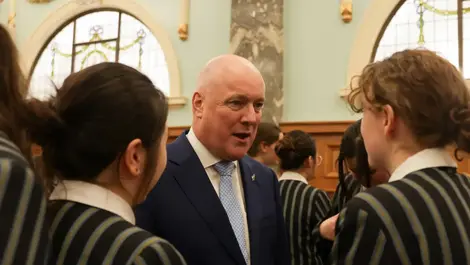
The plan faces an uncertain path in Parliament, with coalition partners ACT and New Zealand First refusing support for the under-16s ban.
A third of young New Zealanders have sought personal advice from AI, highlighting a trust gap that Netsafe hopes to tackle with its new programme.
Up bank grew by focusing on design and trust, with more than 80 per cent of customers arriving through word of mouth.
Many parents are unsure their children can tell AI-generated fakes from real content, with concerns also rising over grooming and sextortion.
Parents are bearing most of the burden, as 78% of under-16s in Australia are still accessing social media covered by the ban.