Transport stories
The transportation industry shows how a technology like IoT can be applied, built on, and provide new opportunities with the data it collects.
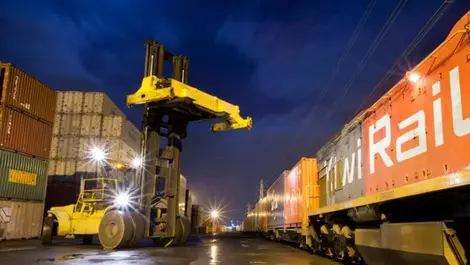
Reopening of the Main North Line helped lift KiwiRail's half-year revenue 12% to GBP £328.8 million and surplus to GBP £16.3 million.
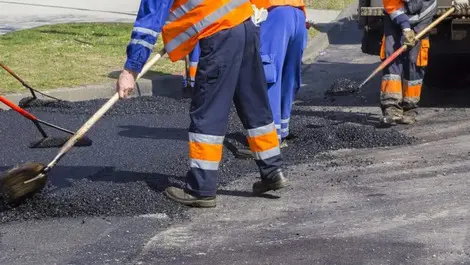
Road contractors warn a nearly GBP £3 billion roading shortfall over two years is delaying jobs and leaving crews idle across New Zealand.
Uber launches speedboat service in Mumbai, allowing riders to hail boats via its app; the boats will cover coastal routes and cost from INR ₹5,700.
The Lancet says obesity, undernutrition and climate change are linked costs weighing about USD $2 trillion a year on global health and productivity.
Driver shortages may ease if more women are recruited, as new training courses attract female students and boost industry retention.
Singapore has been chosen for Volocopter’s first urban flight trials, as the German startup builds local engineering capacity and test infrastructure.
The trial could cut airport queues and intrusive checks by routing passengers into risk-based screening levels using behaviour and booking data.
The new hub is expected to ease congestion, cut emissions and free up the city’s ageing freight yard for housing and business development.
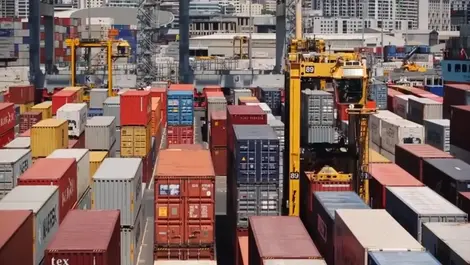
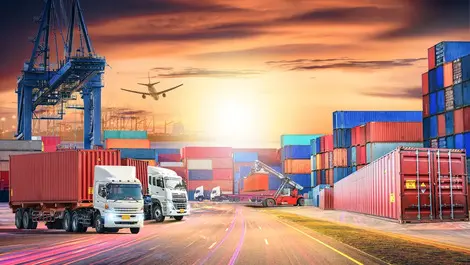
Freight delays are mounting as Auckland’s overloaded port and 9-5 warehouse habits strain deliveries, exporters and importers alike.
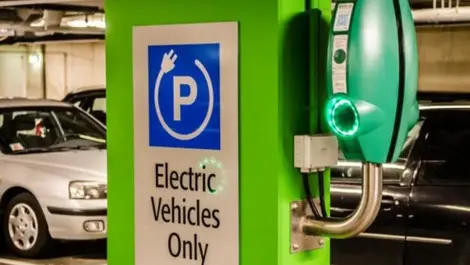
New Zealand could slash transport emissions by up to 88% by 2050 if policymakers back a faster switch to electric and renewable fuel vehicles.
Road freight operators say the new works will ease bottlenecks, but they want four-lane routes to match future traffic growth.
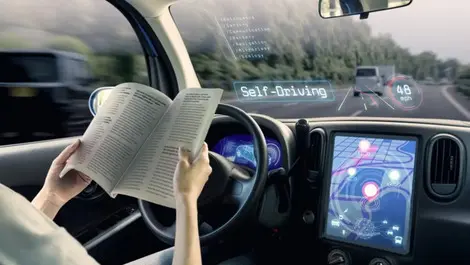
Global study finds people disagree sharply over who driverless cars should save in an unavoidable crash, exposing ethical hurdles for regulators.
Road pricing and property levies are among the alternatives as petrol tax hikes end and transport funding gaps widen.
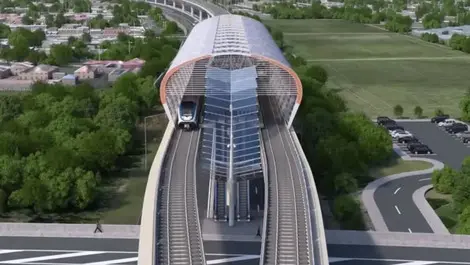
Auckland travellers may face years of uncertainty as officials weigh whether light rail or heavy rail best serves the airport link.
Scientists warn the world could breach 1.5C as soon as 2030, raising flood, drought and sea level risks unless emissions fall sharply.
Business and government leaders will hear how blockchain could improve data control, security and efficiency across key sectors at an Auckland conference.
Public backing could help New Zealand's Kaikoura rebuild beat nine global finalists in a civil engineering award vote.
Higher truck operating costs, including fuel and road user charges, are set to feed through to shoppers as freight firms lift prices.
The project’s funding gap has been narrowed after a consortium offered to match the governments’ combined AUD $10 billion commitment.