

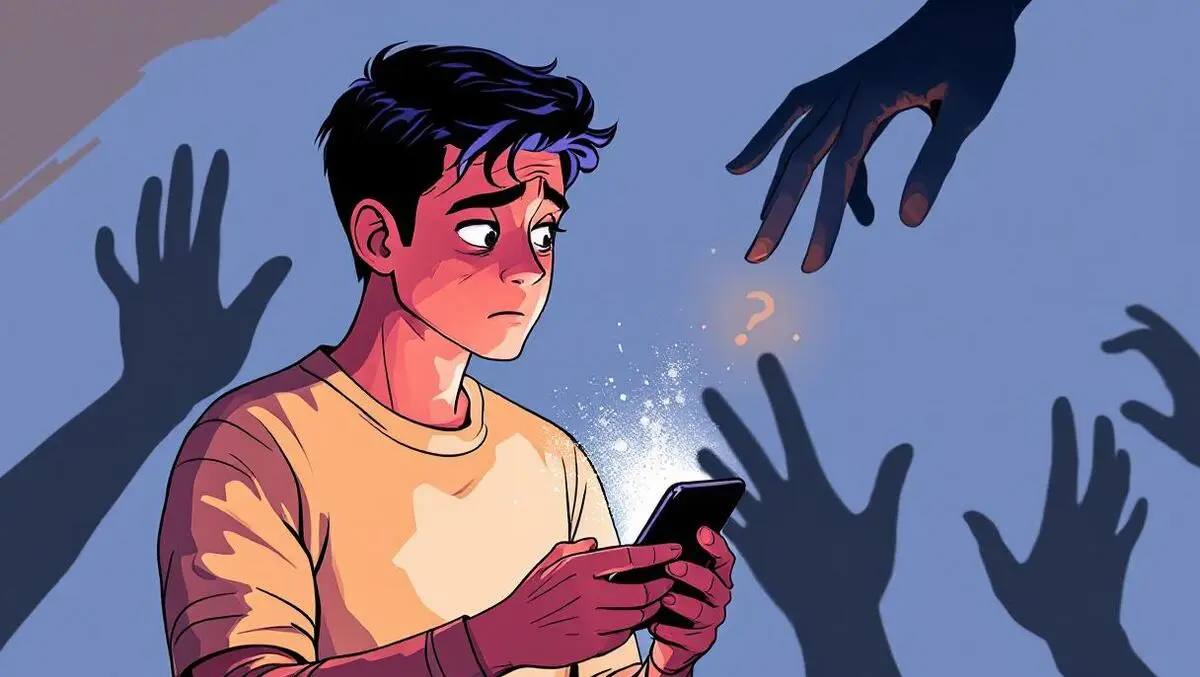
Scam rates double as young adults face digital deception surge
Thu, 20th Nov 2025
Consumer cyber security provider F-Secure has published its latest Scam Intelligence & Impacts Report, highlighting a significant rise in scams and exposing a widespread overconfidence among potential victims.
Rising scam rates
The report details that scam rates have doubled globally over the last year, with the United States experiencing a particularly steep increase from 2024 to 2025. Despite growing awareness, individuals continue to fall prey to digital deception at alarming rates.
Scams are increasingly industrialised, employing artificial intelligence and advanced psychological techniques. According to the report, 69% of people surveyed said they believe they are able to spot scams, yet 43% admitted to having been victims in the previous year.
Youth vulnerability
Young adults aged 18-34 are at greater risk than other groups, with exposure rates more than twice that of those over 65. This finding challenges common assumptions that younger, digitally-savvy individuals are less likely to be deceived by online scams.
The research also underscores that the psychological impact is severe, but discussion about scam victimisation remains limited. Only 7% of scams are reported, with stigma and embarrassment cited as key reasons for silence.
Behavioural risks
F-Secure's experts say much of the risk comes from misplaced confidence and the emotional tactics of scammers. Cyber criminals continue to exploit technology and vulnerability on a large scale, targeting not just financial but also emotional wellbeing.
"Scamming people online has never been easier than it is today. The rising number of victims shows just how many ways criminals can exploit technology, the internet, and human trust for illicit profit," said Laura Kankaala, Head of Threat Intelligence, F-Secure.
"While awareness of scams is higher than ever, we're seeing concerning trends across the world. Cyber security for everyday citizens is not a challenge that time will solve-it's an urgent issue facing younger generations for years to come."
Role of service providers
The report calls for service providers to play a more active role in scam prevention. Half of consumers polled are willing to pay for scam protection services, with younger respondents viewing protection as a basic, expected feature.
Service providers, the report says, are uniquely positioned to embed scam defences into everyday digital services and to raise consumer awareness through targeted education.
"Scams are not small-time fraud anymore; they are industrialized, AI-powered, and psychologically manipulative. The numbers are shocking, but behind every statistic is a real person who has lost money, confidence, or peace of mind. This is a wake-up call for consumers, service providers, and for the entire digital ecosystem," said Megan Squire, Threat Intelligence Researcher, F-Secure.
Call to action
F-Secure is urging the technology sector to prioritise embedded digital protection and reduce reliance on individual vigilance. The company argues that defending against scams should become as central as providing internet access itself.
"To stop this pandemic, we need to shift from blaming victims to building resilience. Service providers have the opportunity to lead this effort by embedding protection into the services people rely on every day," said Fredrik Torstensson, Chief Partner Business Officer, F-Secure.