

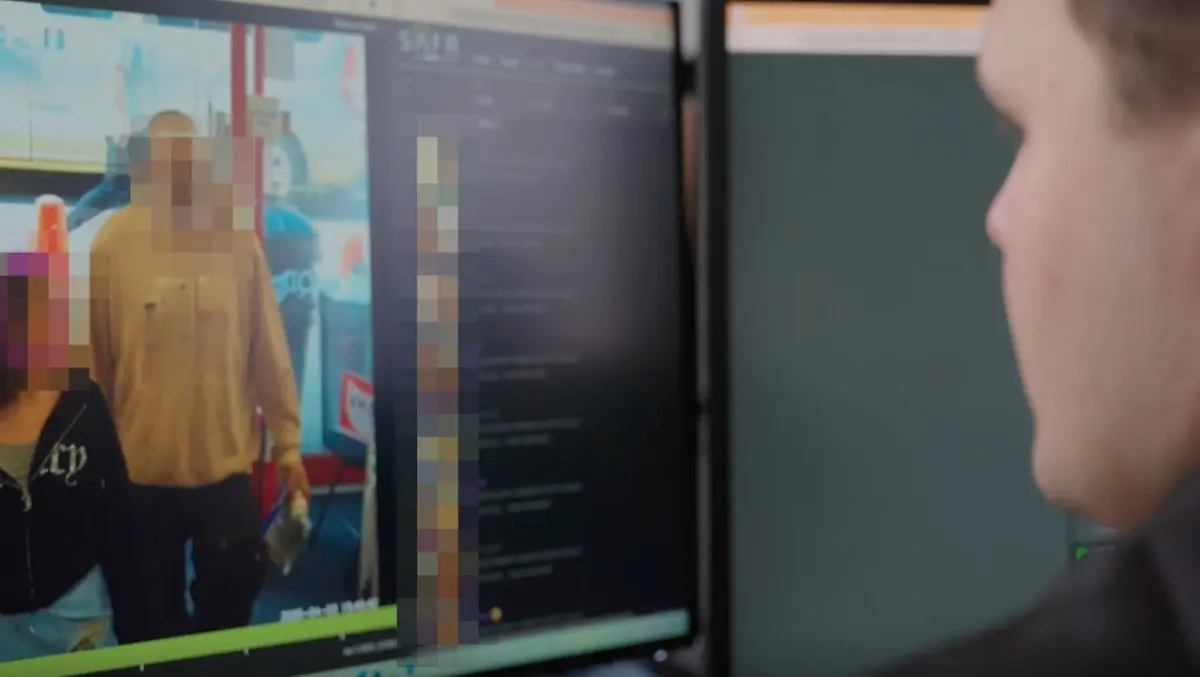
Shoplifter alerts more than double in 2025 - Facewatch says
Mon, 12th Jan 2026
Facewatch said UK retailers using its live facial recognition system received more than 500,000 real-time alerts about repeat offenders during 2025, more than double the total a year earlier.
The crime prevention platform sent 516,739 alerts to subscribing retailers in 2025, up from 252,943 in 2024. The company said that equated to an average of 1,415 alerts a day, compared with 693 a day in 2024.
Facewatch said the alerts notify retailers when known prolific and repeat offenders enter stores covered by its live facial recognition technology. The company said the average speed of an alert after a match was nine seconds in 2025.
Facewatch said that average included cases where the match required checks by specialist Facial Analysts before the system issued an alert to a retailer.
Retailers, trade bodies and policing leaders have raised concerns about rising theft and abuse of store workers, as well as organised shoplifting gangs targeting multiple locations. Facewatch linked the higher alert volumes to repeat offending and increasing use of technology by retailers.
"Retailers are dealing with levels of theft and aggression that would have been unthinkable a few years ago," said Nick Fisher, CEO, Facewatch.
"The fact that alerts have more than doubled in a single year reflects both the growth in repeat and organised offenders and the reality that retailers are under pressure to act faster, smarter and more collaboratively to keep employees and customers safe," said Fisher.
Record periods
Facewatch reported three milestones during the year. It said weekly alert volumes exceeded 10,000 for the first time in July. It reported 43,602 alerts across that month.
The company said December set new records as the retail sector entered its busiest period. It recorded 14,885 alerts in the seven days up to Christmas Eve, which it described as a new weekly high. It also recorded 54,312 alerts in December, which it said marked a new monthly record.
Facewatch said offending activity increased in the run-up to Christmas. It said the figures reflected the scale of repeat offending across its subscriber network.
The company said its system operates as a network across retail locations nationwide. It said the service allows subscriber retailers to share information on known offenders securely, proportionally and lawfully.
Live facial recognition has attracted scrutiny from civil liberties groups and privacy campaigners over data use, governance, accuracy and oversight. Businesses deploying the technology have faced questions about how they balance staff safety, crime prevention and customer rights.
Facewatch said retailers have turned to intelligence-led responses as offenders return repeatedly to the same stores and target multiple sites. It said the rapid delivery of alerts affects how staff respond on the shop floor.
Justice backdrop
The increase in alerts comes as the retail sector points to pressure on policing and the courts. Reports citing Home Office data have suggested that most shoplifting cases do not result in a custodial sentence.
According to the Daily Telegraph, referencing Home Office data, fewer than 12,000 convicted shoplifters were jailed in the year to June 2025. The report said that meant those investigated had a 2.2 per cent chance of imprisonment.
"When an alert is delivered in seconds rather than minutes, it gives staff time to prepare, de-escalate or deploy appropriate measures. That can be the difference between prevention or a potentially dangerous incident," said Fisher.
"With violent and abusive behaviour and offenders with weapons becoming increasingly commonplace in a retail crime situation, fast advance warning is no longer just a key benefit - it is absolutely vital. This is about preventing crime where possible, not responding after harm is done," said Fisher.
Facewatch said retailers increasingly use the platform in stores facing persistent theft, abuse of staff and organised shoplifting gangs. The company said alert volumes provide a measure of offender activity across its network and signalled continuing pressure on retailers in 2026.