

UK flyers prioritise convenience over personal data security at airports
Tue, 29th Jul 2025
A majority of UK air travellers remain more focused on speed and convenience than data protection, despite significant concerns about personal information security at airports.
Research conducted for the Getronics 2025 Travel Trust Barometer indicates that 53% of British passengers place a smooth journey as their top priority when flying, while only 36% list the safeguarding of personal data as their main concern during air travel.
The report also highlights that 59% of UK air passengers fear the loss of personal data when flying, suggesting a gap between consumer preferences for convenience and their anxiety about digital security.
Frictionless travel and data risks
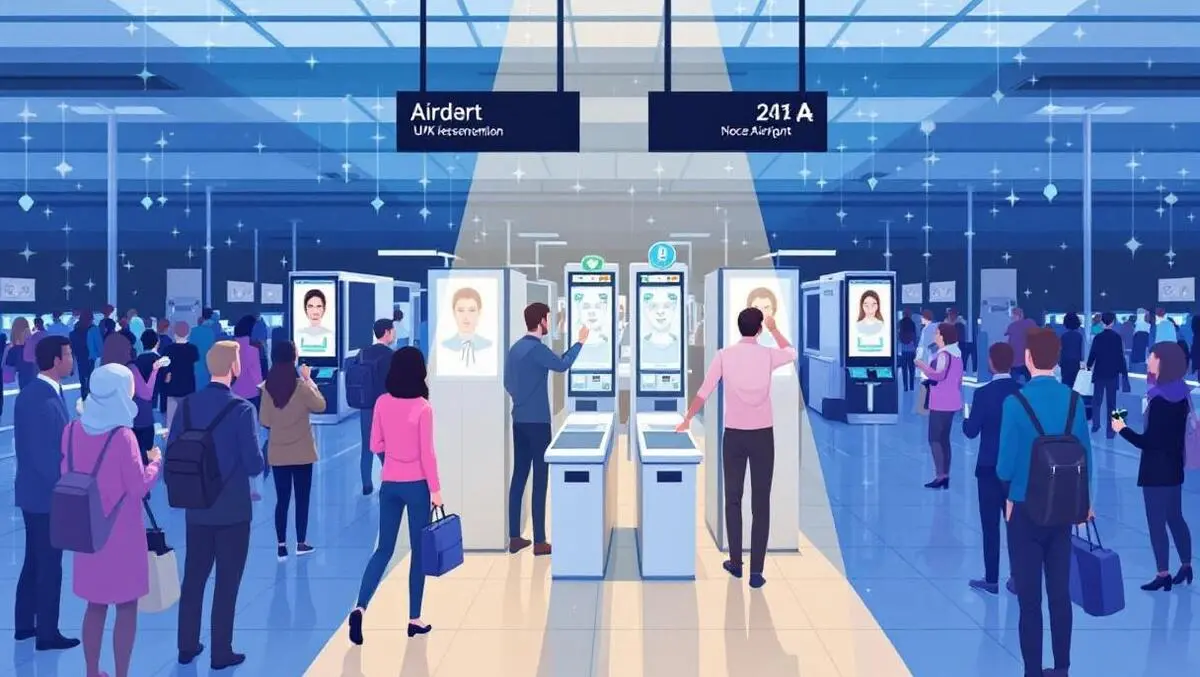
The findings underline increasing tension as the aviation industry rolls out new technologies, including biometrics, facial recognition, and comprehensive digital tracking. These systems are designed to make travel more seamless, but they require access to substantial amounts of passengers' personal data.
Travellers want quick, seamless journeys but often don't realise how much personal data is involved and how it's used. Our report shows a widespread lack of awareness of the data shared and with whom it is shared, which puts trust at risk should an airport expose passenger data.
Only 55% of surveyed travellers said they felt in control of their personal data during the booking process or whilst taking a flight. The research also points out that just one in four passengers actually read the terms and conditions before providing their personal details when booking travel, raising questions about informed consent and data literacy.
Andrew Madigan, Client Director at Getronics, explained the challenges faced by those responsible for securing airport digital environments:
We work with clients in the aviation sector every day, so we know first-hand that the industry is facing a persistent rise in hacking attempts. It's no longer a question of if airports will be targeted by cybercriminals - it's a matter of when and how often.
The report was based on a survey of 2,000 UK residents who had flown in the previous 12 months, as well as in-depth interviews with a smaller group of regular travellers, reflecting a broad range of perspectives within the population.
Perceptions around technology and security
Despite rising anxiety about personal data, the data suggests that travellers are not resistant to digital transformation of airports. Rather, many are receptive to the greater use of technology if it results in a more efficient journey.
Rob Nidschelm, Global Head of Operational Security at Getronics, said:
The good news for airports is that this is not a rejection of technology. Travellers are open to greater use of technology in return for improved experience. However, our own threat intelligence continues to highlight a persistent rise in targeted attacks on aviation, particularly on passenger data systems, biometric platforms, and third-party integrations critical to airport operations. This isn't theoretical: we've seen ransomware groups and state-linked actors specifically probing airport defences across Europe.
He added, "With the push to a digital paperless experience ever increase the sensitivity of the data increases its value to hacking groups. Trust in digital travel relies on trust in the security behind it, the aviation sector aviation sector must treat cybersecurity not as a compliance checkbox but as a continuous operational priority."
As airports handle growing volumes of traveller data, sector experts assert that trust hinges not only on the technology used, but on the security infrastructure underpinning digital travel services.
Building trust and digital infrastructure
Andrew Madigan said, "Airports need to continue to build trust and that starts with a strong digital infrastructure. Speed and experience matters, but the challenge of securing personal data against determined and well-resourced hackers is more daunting than it's ever been."
The report signals that while travellers often favour faster, easier travel, concerns about personal data security persist and are likely to grow as technology becomes more central to the airports' operations.