Deepfakes stories
Many adults are still feeding chatbots sensitive data, despite believing they can spot AI fakes, a UK survey has found.
Synthetic fraud is slipping past standard checks, prompting banks to use real-time address matching to tie identities to physical locations.
Businesses using Zoom will gain tighter oversight of AI-generated content and deepfake risks, as new controls target compliance and data handling.
Boards are being warned that AI, identity and software supply chain gaps are outpacing controls, leaving organisations more exposed to fast-moving attacks.
Synthetic fraud is now costing banks and insurers USD $40 billion a year, with voice cloning and video deepfakes driving most cases.
Banks and insurers face rising losses as deepfake fraud is now estimated at USD $40 billion a year, with voice cloning fuelling most cases.
Billions still offline and fraud on the rise as the GSMA pushes for 5G returns, cheaper handsets and global 6G standards.
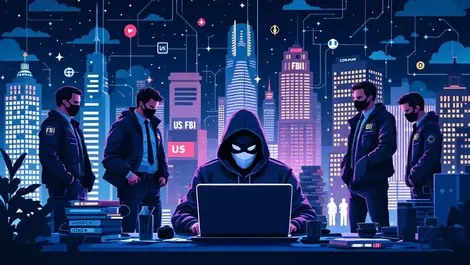
The bust seizes 187 laptops in Texas and exposes a remote hiring fraud that infiltrated more than 70 US companies, officials said.
Only 5% of Australian companies are ready for AI-driven attacks, leaving most exposed as threat actors move at machine speed.
The enlarged group now serves more than 300 enterprise customers and processes over 110 billion digital interactions a year across four regions.
The broader signal base is aimed at helping fraud teams spot synthetic identities and linked accounts as generative AI makes scams harder to detect.
More than a third of financial firms in Europe, the Middle East and Africa reported fraud attempts rising by over 25% in two years.
Businesses are facing a sharp rise in email scams as AI makes phishing faster, cheaper and harder for native filters to spot.
AI is already making cyber attacks faster and cheaper, while quantum computing could soon put trust in data and payments at risk.
Most fake hires are exposed only after getting system access, leaving companies vulnerable for days and often weeks before a fraud is spotted.
A surge in non-human identities is leaving businesses more exposed, with privileged access risks now stretching beyond staff to AI agents and machine accounts.
Many Singapore office workers still worry about questioning bosses, leaving firms exposed as 35% of senior managers said they would comply with a cloned CEO voice before checking.
Despite leading on passkeys and MFA, Indian firms still face widespread AI phishing and deepfake scams that are undermining daily security practice.
Australian firms remain exposed as 43% reported AI-driven phishing attacks in the past year, while many staff still log in with passwords.
The move should help FOMO Pay tighten onboarding and fraud checks as it expands across markets with diverging rules and rising scam pressure.