


Didit has raised USD $7.5 million in seed funding from Y Combinator and a mix of existing and new investors.
The identity verification company will use the money to expand its identity infrastructure internationally, broaden its programmable identity platform and hire across product, sales and customer success. Investors included Pioneer Fund, Orange Collective, Founders Future, Phosphor Capital, SaaSholic and Rebel Fund, alongside angel investors including Tomer London and Taro Fukuyama.
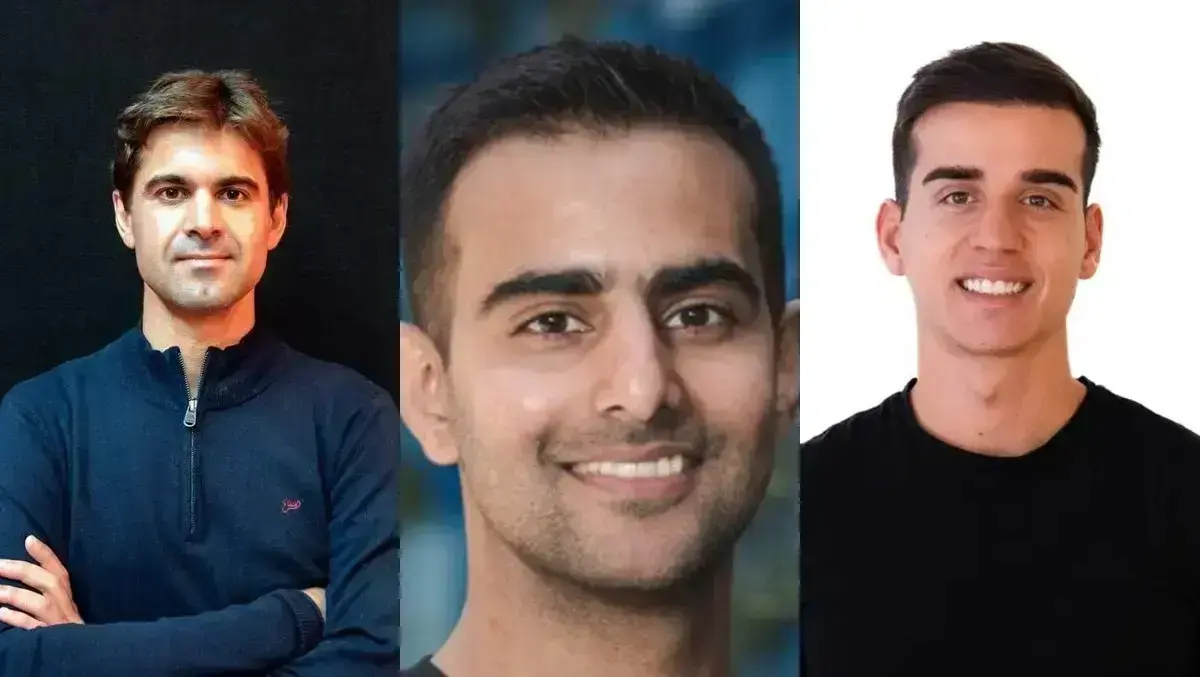
Founded in 2023 by twin brothers Alberto Rosas and Alejandro Rosas, Didit sells identity and fraud tools to businesses that need to verify users, companies and digital activity online. It says it now serves more than 1,500 business customers across more than 220 countries and territories and is already profitable.
The fundraising comes as identity checks become a bigger issue for internet platforms, financial services groups and other online businesses. Didit argues that the rise in deepfakes, synthetic identities and other forms of AI-driven fraud is colliding with tighter regulation in markets including Europe, where digital identity wallet rules are reshaping how organisations confirm users' identities.
Its system connects to government data sources around the world and assesses more than 200 signals in each verification, according to the company. Those checks include document authenticity, biometric liveness, injection attack detection, deepfake analysis and behavioural indicators.
A notable part of Didit's pitch is regulatory validation in Spain. It says it is the first identity verification provider to be validated by Spain's Financial Sandbox, under the supervision of SEPBLAC, CNMV and the Treasury, as offering NFC plus active liveness verification equivalent to, or more secure than, in-person identity checks.
Market pressure
Businesses face a broader set of identity demands than the traditional know-your-customer checks used by regulated firms. Age verification rules, anti-fraud requirements, digital signatures, wallet screening and delegated activity by software agents are all widening the market for identity tools.
That shift has also changed the nature of customer demand. Didit says 80% of its clients had not previously used an identity verification provider, suggesting some of its growth is coming from organisations only now being required, or choosing, to add such checks.
Its customer base spans fintech, crypto, marketplaces, iGaming, mobility and government. Use cases listed by the company include proving that a user is a real person without a document, verifying signers for digital documents, supporting verified-profile functions in social apps, checking transactions with face scans and helping firms meet age verification requirements.
Revenue has been growing by more than 30% month on month, according to the company. That pace, combined with profitability at seed stage, is likely to stand out in a sector where many identity start-ups have prioritised scale over margins.
Alberto Rosas outlined the company's view of the market in a statement on the funding.
"No one was building for what was actually happening," said Alberto Rosas, Founder and CEO, Didit. "Fraud kept getting smarter, regulators kept getting stricter, and millions of new businesses suddenly needed to verify their users - but every existing provider couldn't catch the new fraud, had painful onboarding, and hid pricing behind a sales call. So we built the opposite: one API for identity and fraud, public per-module pricing, and an integration so simple that any developer can ship it in five minutes - or any AI coding agent like Claude Code, Codex, or Cursor can ship it in a single prompt."
Investor view
Backers see identity as a broader infrastructure layer rather than a narrow compliance product. That view reflects a wider debate in the technology sector over how online systems should distinguish between humans, businesses and autonomous software as AI tools become more common.
"AI will 1,000x the identity market," said Diego Gomes, Partner, SaaSholic. "In the next decade, every platform will need to verify not only people and businesses, but also agents, transactions, wallets, and delegated actions. Didit is building the identity infrastructure for that world."
Another investor linked the product to longstanding fraud problems in digital businesses.
"At Zeus we were constantly fighting fraudsters," said Kulveer Taggar, Founder, Phosphor Capital. "Sophisticated criminals with real IDs, costing us real money. The tools weren't good enough then. Alberto and Alejandro saw that gap and built something fundamentally better. Identity verification is becoming mandatory for every company on the internet, and most of the existing tools weren't built for an AI-native world. Didit was."