

Solihull Council appoints ICS.AI for AI discovery phase
Wed, 5th Aug 2026.webp)
Solihull Council has appointed ICS.AI to deliver the first phase of an AI Transformation Discovery programme to examine how artificial intelligence could be used across several resident-facing services.
The 24-week programme will review opportunities in Adult Social Care, Children's Services, Economy & Infrastructure, and Public Health. It is intended to help the council decide where AI could be used and where future spending should be directed.
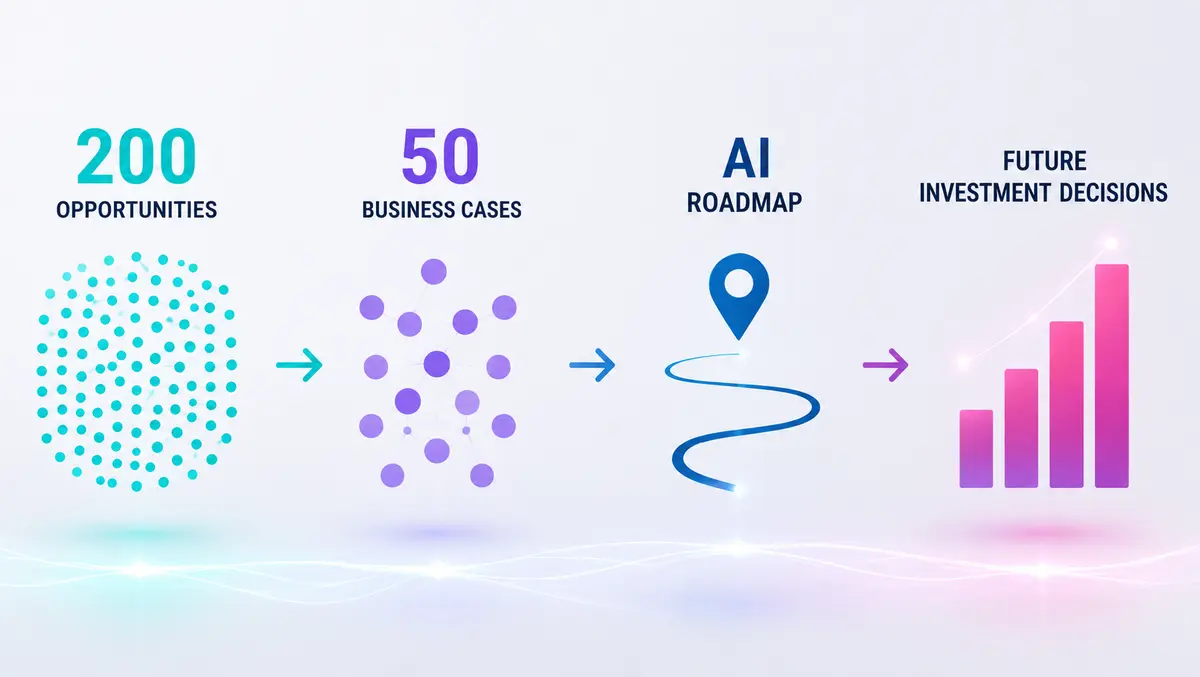
In this first phase, ICS.AI will assess the council's readiness for AI and identify use cases across the four service areas. The programme is expected to produce a prioritised shortlist of about 200 use cases, including 50 validated from a finance perspective, alongside a longer-term AI Transformation Roadmap.
The work is intended to create an evidence base before any wider implementation decisions are taken. Ethics, privacy, and safeguarding will be considered throughout the assessment process.
Discovery phase
ICS.AI will use its AI Target Operating Model framework to review Solihull's current position across five dimensions before ranking opportunities. The outputs will be based on council-owned baseline data and reviewed by public sector specialists.
The approach reflects a broader pattern among local authorities exploring AI in service delivery while facing pressure to justify spending and manage risks around data use and public accountability. Councils have also been seeking clearer business cases before committing to larger technology programmes.
Solihull said the discovery exercise would support a measured approach to service modernisation. The authority wants to identify where AI could improve services for residents while also demonstrating value for money.
"We are committed to taking a well-considered and planned approach to modernising the services we provide. By building a strong evidence base for future decisions, this programme will help us understand where the greatest AI opportunities exist. We will then be able to prioritise those improvements that will deliver the greatest benefit for residents, while ensuring full value for the council," said Councillor Dave Pinwell, Cabinet Portfolio Holder for Resources, Solihull Council.
Public sector focus
ICS.AI said the Solihull engagement builds on work it has carried out with more than 20 public sector organisations using its AI transformation and discovery assessments. Those organisations include Derby City Council.
The company focuses on AI projects for the public sector, where interest has increased as authorities look for ways to manage demand pressures in social care, public health, and other frontline services. At the same time, councils are under scrutiny to show that new technology investments are proportionate and supported by practical evidence.
Dwayne Johnson, Chief Local Government Officer at ICS.AI, said local authorities need stronger justification before committing funds. "Local authorities need confidence that every investment is backed by robust evidence and long-term value for residents. Solihull Council is taking the right approach by starting with a structured discovery programme that builds a clear understanding of priorities before decisions are made. By developing finance-validated business cases and a practical roadmap, the council can be more proactive in the decisions it makes," he said.
The programme's initial outputs are expected to give Solihull a ranked view of where AI could be applied across services, the level of organisational readiness, and which projects may warrant further consideration. This first phase is focused on identifying options rather than moving directly into deployment.
For local government leaders, that distinction is becoming increasingly important as councils test AI in areas that affect vulnerable residents and essential public services. In Solihull's case, the work spans some of the authority's most visible functions, including care services, children's provision, public health activity, and parts of local infrastructure planning.
The council aims to use the findings to inform later investment decisions through finance-validated business cases and a practical roadmap for future priorities.