

Women in CTI report highlights varied paths into cyber
Thu, 1st Oct 2026.webp)
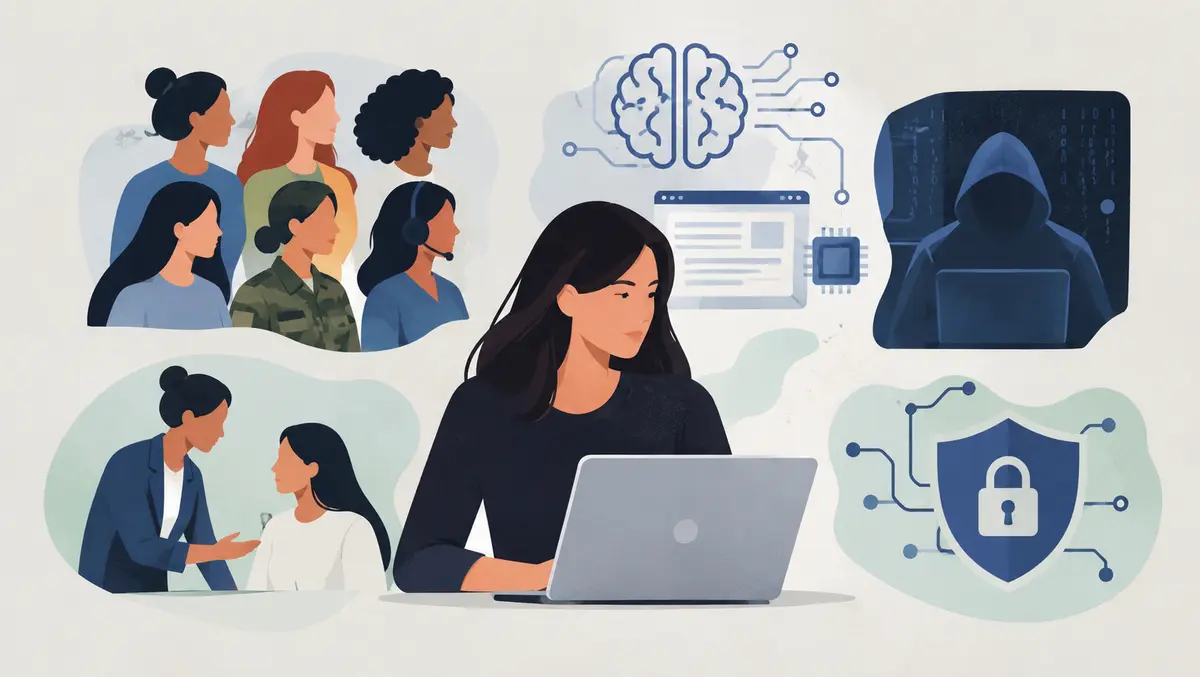
A Women in CTI report examining the careers and experiences of women working in CTI highlights several routes into the profession. Contributors have backgrounds spanning computer science, marketing, counterterrorism, consulting, the military and customer service.
The report also examines how artificial intelligence is changing the work performed by CTI professionals, including the balance between automation and human judgement.
Different routes
The report challenges the assumption that CTI careers require a traditional cybersecurity background.
It highlights how skills developed in other roles can transfer into threat intelligence and cybersecurity. Customer-facing experience, for example, can provide skills that are relevant to communication, problem-solving and understanding customer requirements.
Einat Argon, Manager, Customer Success, Filigran, moved from customer success into cybersecurity. Her experience is presented as an example of how professionals can identify transferable skills when changing career paths.
"A lot of women trying to move into technology start with what they haven't done and what they don't have. I always look at what they have done already," said Argon.
The report suggests that hiring managers can also assess candidates based on previous experience and the skills they can bring to a role, rather than concentrating only on gaps in their cybersecurity background.
Curiosity and a willingness to learn are identified as qualities that can support people moving into CTI. The contributors also point to problem-solving and the ability to approach issues from different perspectives.
AI and judgement
Artificial intelligence is another focus of the report, particularly its potential to reduce repetitive work for CTI teams.
AI can help professionals process information and complete some tasks more quickly. The report argues that human oversight remains important when information generated or processed by AI needs to be reviewed and validated.
It also considers the question of which tasks should be automated. The report distinguishes between using AI to support professionals and relying on automation without sufficient human review.
Angélique Jard, Principal Software Engineer, OpenCTI, Filigran, points to collaboration as an important part of solving complex problems.
"The best work I've done has always been with other people, people who challenge your ideas and see the problem differently," said Jard.
Jard also highlights the continued role of people as AI becomes more widely used in CTI.
"AI can help us move faster too. We still need people to make sure we're moving in the right direction," said Jard.
The report suggests that CTI roles may change as AI takes on more repetitive activities. Professionals may spend more time reviewing information, applying judgement and determining how findings should be used.
Beyond stereotypes
The report also addresses perceptions of what a CTI professional looks like and the skills they are expected to have.
Traditional images of cybersecurity workers can create the impression that people need highly technical backgrounds to enter the sector. The contributors describe a broader range of experiences within CTI.
Argon's career transition is one example of how experience outside conventional cybersecurity roles can contribute to a career in the field.
"A lot of women trying to move into technology start with what they haven't done and what they don't have. I always look at what they have done already," said Argon.
Mary D'Angelo, Senior Solutions Lead, Filigran / Women in CTI, also describes the visibility gap she has observed among women working in threat intelligence.
"In meetings with customers, even those with large threat intelligence teams, I often noticed only one or two women present, and they usually stay quiet. When I get the chance to talk with them, I discover genuinely brilliant women," said D'Angelo.
The report links greater visibility with opportunities for women to contribute to discussions and establish themselves within the sector.
Role of mentors
Mentorship is another recurring theme. The report examines how managers, colleagues and mentors can influence career development and help people navigate a move into CTI.
For Argon, support from mentors played a role in her transition into cybersecurity. The report also connects mentorship with the wider Women in CTI initiative and its focus on giving women greater opportunities to share their experience.
"I want to create more opportunities for other women to be heard and recognized," said Argon.
D'Angelo describes how the initiative developed from conversations about the visibility of women working in threat intelligence.
"That's how our first initiative came about: co-writing articles with these women, publishing them through Filigran, highlighting their names, and helping strengthen their thought leadership positioning," said D'Angelo.
The wider report features 16 contributors and covers career paths, professional development, technology and experiences of women working in CTI.