Ethical hacking stories
Businesses face tighter reporting and new rules as ministers move to overhaul cyber security, AI oversight and digital identity regulation.
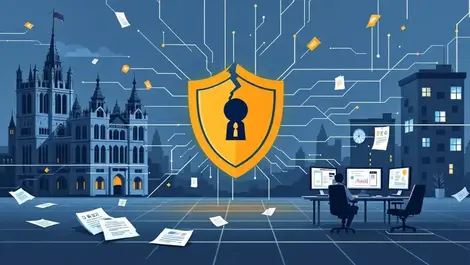
The findings add pressure on ministers to modernise the 1990 Computer Misuse Act as breaches hit 43% of UK businesses and 28% of charities.
Researchers could face legal uncertainty unless ministers modernise a 1990 cyber law that campaigners say is hindering defence and investment.
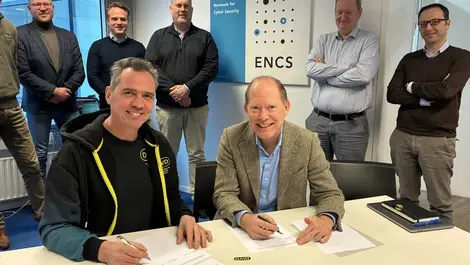
ENCS and DIVD have agreed a new cyber pact to uncover and disclose vulnerabilities in Europe's high-impact energy and critical systems.
The move widens defences for businesses as AI systems become a bigger target for attackers and zero-day flaws multiply across enterprise software.
The move aims to widen security coverage as firms struggle to test expanding attack surfaces quickly enough.
Enterprises face a growing backlog as AI tools uncover more flaws, with HackerOne saying 25% still prove exploitable and many are critical.
The framework is designed to expose hidden risks in production AI systems that can be missed by conventional one-off tests.
About 60 Indigenous students in New Brunswick will gain IT and cybersecurity training as employers struggle to fill cyber roles across Canada.
Researchers can now report AI misuse and harmful agent behaviour under a separate programme that could expose risks in ChatGPT Agent and Browser.
Cobalt launches Security Program Manager service to run enterprise pentesting, align tests with business goals and speed up remediation.
Tenzai's autonomous AI agent has placed in the top 1% of major global hacking CTF contests, beating more than 125,000 human rivals.
New research from Cobalt finds 98% of surveyed pentesters prefer PTaaS to bug bounties and show almost no faith in AI-only security scanning.
Agentic AI massively accelerates elite cyber teams but can slow inexperienced hackers, Hack The Box's large-scale benchmark reveals.
Cybersecurity is missing vital human insight; drawing in women and non‑STEM talent could close both the threat and perspective gaps.
As cyber threats grow, more women are entering security roles, yet leadership remains male-dominated, risking lost talent and weaker defences.
Simbian launches an AI Pentest Agent that runs continuous, adaptive penetration tests, promising faster, context-aware vulnerability detection.
HackerOne unveils Good Faith AI Research Safe Harbor, giving security testers clearer authorisation and protection for probing AI systems.
The partnership is helping fill Australia's cyber skills gap, with 20 graduates placed into live security environments over five years.
Terra Security unveils Terra Portal, a desktop hub fusing AI agents with human pentesters to speed vulnerability fixes from months to hours.