

Shufti launches Glocal Trust OS for compliance teams
Fri, 27th Nov 2026 (Today)
Shufti has launched Glocal Trust OS, a system that combines user lifecycle management with business data and external risk signals in a single environment.
The product is aimed at companies assessing identity, anti-money laundering and fraud risks across customer journeys, where information often sits in separate internal systems and third-party tools.
The new operating system is designed to give compliance, risk and operations teams a single view of a user by connecting Shufti's controls with existing business applications. Organisations can link tools such as email, Slack and custom internal systems without replacing established technology.
Many businesses review customer and transaction risk through a patchwork of records held across different departments, applications and external providers. That can force teams to switch between systems or request information from specialists before completing an assessment, slowing investigations and creating gaps in decision-making.
Glocal Trust OS is intended to address that by bringing together identity records, verification history, activity data and third-party risk information. The platform carries that context across different stages of the user relationship, including onboarding, later logins, payouts and signatures.
Built-in layer
At the centre of the system is a built-in intelligence layer called the Brain. Shufti says it uses connected information to help teams assess new activity against previous interactions and existing risk indicators, rather than relying on isolated checks.
The approach is meant to help reviewers spot cases where an individual transaction might not breach standard monitoring rules but could still merit closer attention when viewed alongside earlier identity findings, recent account activity or external alerts. The layer presents those related findings in context for reviewers.
Shufti also says the Brain supports natural-language interaction with connected data sources. In practice, authorised staff can query business and user information across systems without manually searching each application or waiting for another department to provide records.
Three stages
The operating system is structured around three connected stages across the user lifecycle: onboard, monitor and assure. In onboarding, it covers identity verification, know your customer checks, know your business checks and AML screening to establish identity and assess initial risk.
The monitoring stage includes fraud prevention, AML screening and transaction monitoring to identify suspicious behaviour and changes in user risk. The assurance stage adds bank account verification, step-up authentication, qualified electronic signatures and know your agent checks to verify authorised activity and secure sensitive actions and transactions.
Shufti says the system is built on what it describes as a glocal model, combining global technology with controls adapted to local regulatory and operational requirements. Businesses can configure workflows around their own policies and risk appetite while maintaining a unified platform across jurisdictions.
That matters for multinational groups seeking a common operating framework without applying identical controls in every market. Regulatory obligations, acceptable verification methods and operational processes often vary by country, adding complexity for firms trying to standardise compliance and fraud checks.
Shufti serves more than 2,000 businesses worldwide, according to the company. Its coverage extends across more than 240 countries and territories, with support for more than 10,000 identity document types in more than 150 languages.
The company operates in the identity verification, AML and fraud prevention market, where providers are under pressure to help clients manage rising transaction volumes, cross-border operations and increasingly complex fraud patterns. In response, vendors are increasingly positioning themselves as a layer that connects fragmented data sources rather than simply performing one-off checks.
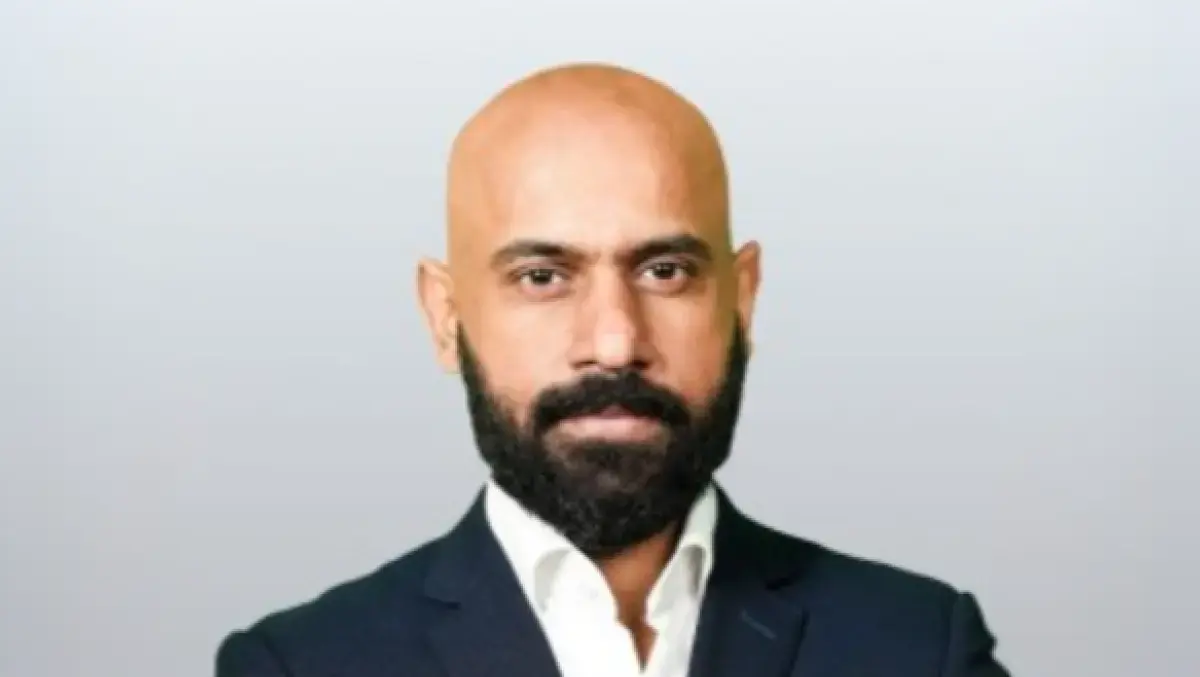
Shahid Hanif outlined the company's view of the problem the product is intended to solve.
"As businesses expand, managing risk effectively requires more than adding new tools, technology, or collecting information. The real challenge is making critical data available when decisions need to be made, regardless of where it originates or which team holds it. With Shufti Glocal Trust OS, our vision is to give businesses greater consistency, clarity, and control over risk management and making informed decisions as their operations grow," said Shahid Hanif, Chief Executive Officer, Shufti.