

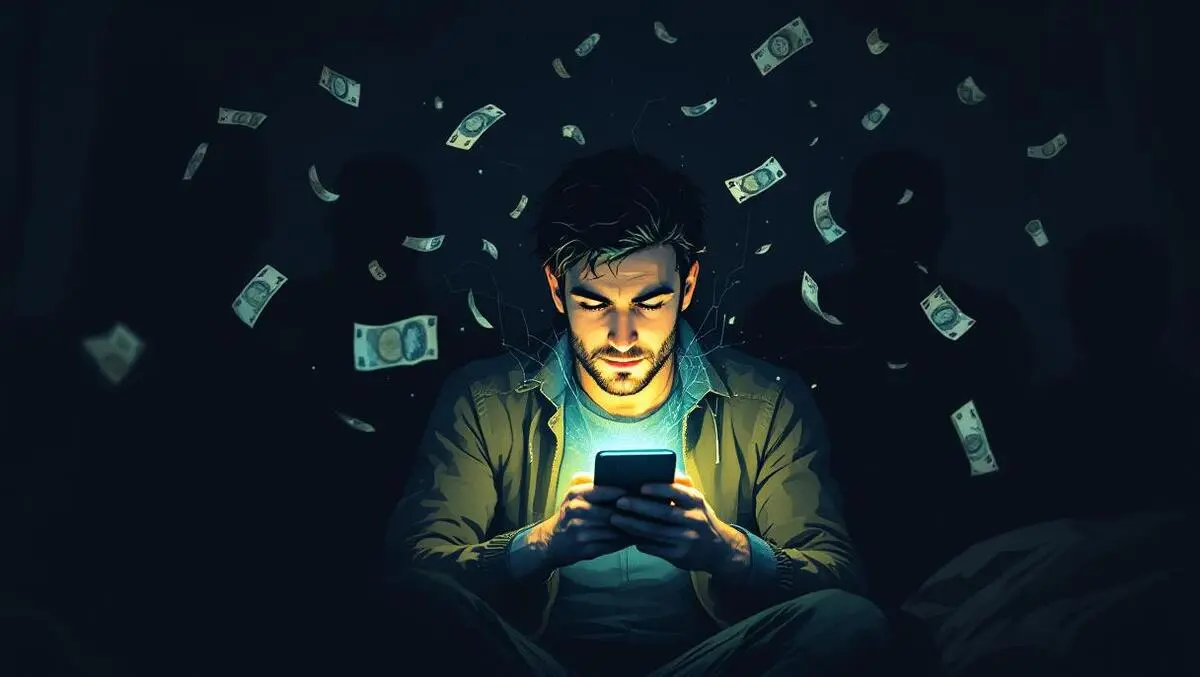

Romance scams are spreading beyond dating apps and becoming harder for banks to detect as criminals use deepfakes, scripted approaches and long-term manipulation, financial crime specialists said.
New figures from UK Finance put reported losses from romance scams at £20.5 million in the first six months of 2025, across almost 3,000 cases. Analysis by TSB suggests victims often make repeated transfers before realising they have been defrauded. The bank recorded an average of 11 payments per case, with average losses of £7,500.
Fraud specialists said both the scale and tactics have shifted. Activity that many consumers associate with seasonal peaks now runs throughout the year. Scammers are also changing where they first contact victims and how they maintain credibility.
Dating apps remain a common starting point, but social media, fitness apps and interest-based platforms are increasingly part of the route in. Once a connection is established, victims often move to private messaging channels, including encrypted apps.
Criminals have also adopted tools that make impersonation harder to spot. AI-generated deepfakes can reinforce fabricated identities, while scripts standardise interactions and help fraudsters maintain a consistent narrative over time.
Organised networks
RedCompass Labs said the crime increasingly reflects organised operations rather than isolated offenders. Silvija Krupena, Director of the Financial Intelligence Unit at RedCompass Labs, described industrial-scale activity linked to global networks.
"Valentine's Day is a reminder that not everything online is what it seems, and that emotional connection is now being weaponised at scale," Krupena said.
"Romance scammers don't just steal hearts, they steal trust, money and lives. In 2026, these crimes are happening at an industrial scale, driven by large, organised fraud compounds across Southeast Asia and other parts of the world, where tens of thousands of individuals are forced or coerced into building online relationships to defraud unsuspecting victims on social media and dating platforms. This has become a global criminal enterprise that reaches into every community, exploiting loneliness, trust, and digital platforms designed for connection."
"If reported at all, reimbursement helps victims recover some of their losses, but it has no effect on slowing the scams themselves. We have built a system that absorbs the harm after the fact instead of preventing it, while criminal networks continue to operate at scale. Until the digital enablers where these scams originate are held accountable, we will remain stuck reacting to the damage rather than stopping it at source," Krupena said.
The comments underline a long-running policy and industry challenge. In many romance scam cases, the victim authorises the payment, so transfers can appear legitimate to bank systems and match a customer's normal access patterns, at least in the early stages.
Behaviour and payments
BioCatch said the way these scams unfold makes them difficult to stop with transaction monitoring alone. Criminals often begin by asking for smaller amounts and increase demands as a victim's confidence grows.
Jonathan Frost, Director of Global Advisory for EMEA at BioCatch, said modern romance scams rely on patience and plausible narratives rather than a single urgent request for money.
"Valentine's Day often puts the spotlight on romance scams, but the reality is they happen all year round. What's changing is how sophisticated they've become. Scammers are increasingly using AI deepfakes and well-rehearsed scripts to make these relationships feel completely genuine. They don't rush things. They build trust over weeks or even months, creating a strong emotional bond before any money is ever mentioned," Frost said.
"When money does come into the picture, it's rarely a direct request. Instead, victims are drawn in through believable personal stories such as a medical issue, a travel problem, or an investment opportunity that feels safe precisely because it comes from someone they trust," he said.
"And these scams don't just start on dating apps anymore. We're seeing them begin on social media, fitness apps, and hobby or interest-based platforms, before moving into private, encrypted messaging channels where the manipulation becomes more intense," Frost added.
Banks face pressure to reduce customer harm while navigating limits on liability and reimbursement. Many losses fall on consumers when they authorise payments, although rules and voluntary reimbursement approaches vary by firm and by case. Industry debate has also focused on the role of technology platforms where initial contact occurs.
Frost said banks need to broaden the signals they use to assess risk and intervene earlier in the payment journey. He also pointed to cooperation between firms to help identify patterns across institutions.
"From a banking perspective, this evolution is what makes romance scams so difficult to stop. The payments are authorised willingly, often from a customer's usual device, and they tend to start small before escalating over time. On the surface, everything can look normal, which is why transaction monitoring on its own isn't enough," Frost said.
"Banks need to look beyond the payment itself and focus on behavioural signals, while also working more closely together. Sharing intelligence and reinforcing intervention strategies across the industry is critical if we want to spot this kind of deception earlier and stop more people from being exploited," he said.
Financial crime teams and consumer groups have warned that the expanding range of entry points increases the need for consistent safety measures across platforms, including stronger verification, clearer reporting routes and faster takedowns of suspected scam accounts.
Specialists said the combination of cross-platform grooming, private messaging and convincing synthetic media will keep raising the burden on banks and technology companies as they refine controls and improve information sharing.